
Apartment Security Guards in Waterford Lakes
Waterford Lakes rents in gated 1990s and 2000s garden communities laid out across long low-density sites with carports, retention ponds and wooded edges. Nexus Security Firm staffs officers here on a recorded route, because the incidents land in the parts of the property nobody can see from the office.
Apartment Security Guards in Waterford Lakes
Waterford Lakes started in 1985 under the name Huckleberry, took its current name in 1991, and grew through the decade into one of the largest master-planned communities in east Orange County: more than 2,500 acres in the 32828 ZIP code holding somewhere around 8,000 to 8,500 residential units. The rental communities inside and around it date mostly from the same two decades, which means gated entries, two and three story buildings, detached garages and carports, surface parking, and site plans laid out around lakes, retention ponds and conservation buffers.
Two roads define the submarket. Alafaya Trail is the north-south artery and congests hard near the Town Center intersection and up toward the UCF corridor. State Road 408 has its own on and off ramps here, which is why so many residents commute to downtown Orlando from an apartment twelve miles east of it, and State Road 417 runs nearby. Waterford Lakes Town Center, with more than 100 stores and a multiplex, sits in the middle of it as an open-air center with acres of surface parking.
The resident mix follows from all that. Families in three-bedroom units, commuters using the 408, and a steady share of UCF students who wanted a cheaper lease a few miles south of campus in a property that does not lease by the bed. That last group is the reason a Waterford Lakes community can look like a family property in its site plan and behave like a student one on a Friday in September.
The site plan puts the incidents out of sight
A 1990s garden community here can run a quarter mile from the leasing office to the furthest building, around a lake, with parking bays tucked between clusters.
That layout was designed to feel residential and it does, at the cost of every sight line. A person standing between two carports in the rear third of the property is invisible from the office, from the pool and from most of the units. Detached garage rows create alleys. Mail kiosks and valet trash points sit away from the buildings. The stormwater ponds and conservation buffers that make the property attractive are also a soft edge along the back, walkable from an adjoining street or a retail lot, and no fence line here is continuous for long.
Coverage on a site like this is a vehicle and foot route with recorded times and a sequence that changes each shift. The route leads with the rear clusters, the carport and garage rows, the pond edges and the buffer line, then works back toward the amenities and the entry. What your office gets is a record of what was covered and when, which on a property this size is the only way a manager can answer an owner's question about where the hours went.
Gates that work on paper
Nearly every rental community here advertises controlled access, and nearly every one of them has the same three failures.
The arm gets held open during leasing hours or stops working and stays up for weeks while a part is ordered. Residents share the code, and a code that reaches a group chat is a public code. The pedestrian gate beside the arm has a latch that stopped catching two summers ago, and there is a gap in the hedge beside it that everyone in the neighborhood knows about. None of this makes controlled access worthless, and all of it means access control is a maintenance program instead of a feature.
A supervisor walking your property will list what is broken before anything is quoted, because a working arm, a latching pedestrian gate and a code policy will do more for the property than the first eight hours of coverage would. Where a gate problem is behavioral, residents letting cars through or a code that has escaped, a short post at the entry during the hours it happens fixes more than a patrol pass does.
Carports and garage rows are where the vehicles get opened
Vehicle burglary is the most common loss at a Waterford Lakes rental community, and the geography of it is consistent.
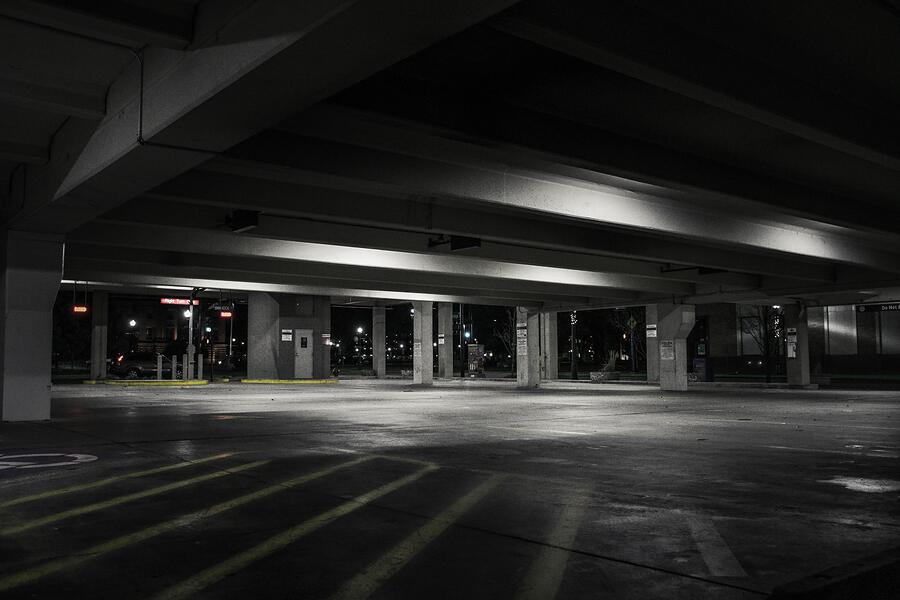
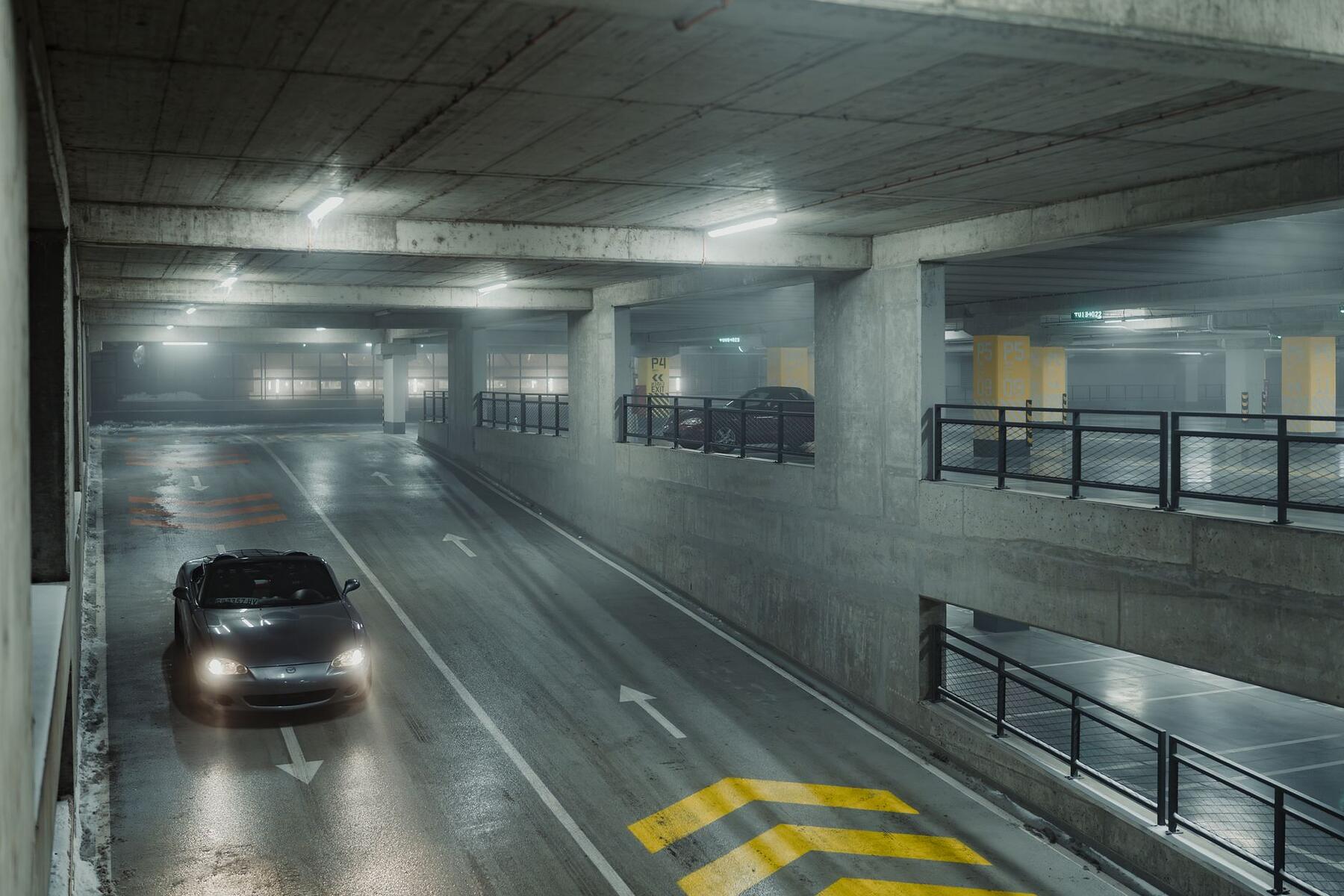
Cars get opened in the rows furthest from an occupied window, in the covered bays where a person working a door handle is shaded from the lighting, and in the alleys between detached garage buildings. It happens late, it happens fast, and it is almost always somebody moving down a row trying handles. A single officer cannot stand in a row for four hours and accomplish anything, which is why the timing pattern matters more than the presence does: a route that passes the same rows at hours nobody can predict removes the certainty the person working the row depends on.
Officers here record the rows covered and the times, note vehicles that do not belong, and give your office a starting point when a resident reports something discovered at seven in the morning that happened at two. That record, and the lighting repairs it usually triggers, is what changes the pattern over a quarter.
A family property with a student overlay
Waterford Lakes sits a few miles south of UCF, which enrolled 70,674 students in fall 2025 (UCF), and the rental communities here pick up the share of them who wanted a conventional lease and a quieter address.
That produces a split property. Three-bedroom units housing families with children who use the pool at four in the afternoon, and units housing four students who use it at midnight. The complaints run in both directions and a manager gets them both. Guest volume rises in September and around game weekends and falls off in summer. The property does not lease by the bed, so a noise problem in a student unit is a single lease with one responsible tenant, which changes the enforcement route and raises the value of a clean written record.
Coverage is usually written for the amenity hours and the late weekend window during term, with the summer schedule cut back. Officers hold the pool at posted close, document noise calls with the unit and the hour, and cover the parking route on the same shift. It is a hybrid post, and post orders that borrow wholesale from a purpose-built student building will mismanage the family half of the property.
What the route covers on a Waterford Lakes property
The route starts at the back. The rear building clusters and the parking bays behind them, the carport rows and the alleys between detached garages, the pond edge and any section of the conservation buffer that can be walked in from outside. Then the mail kiosk, the valet trash points, the laundry or amenity buildings, the pool gate at posted close and the playground. The entry gate comes last on some rounds and first on others. The sequence changes every shift and the times are recorded, so the office can see that the far side of the property received the same attention as the entrance did.
Why Waterford Lakes managers use Nexus Security Firm
-
Unpredictable timing on a predictable site plan
Somebody working a carport row at two in the morning is relying on the property being readable. A route with a sequence that changes each shift takes that away, and it does more for vehicle crime on a low-density site than a stationary post ever will. Round times are recorded and go to your office, so you can show an owner which parts of a quarter-mile-deep property were covered and at what hours.
Round times and incidents are documented and the documentation goes to the client.
-
Repairs identified before coverage is quoted
Most Waterford Lakes communities have a gate arm, a pedestrian latch or a lighting run that has been broken longer than anyone remembers. A supervisor walks the property before we quote and hands you that list, because those repairs outperform the first several hours of any contract. The coverage we then propose assumes the list gets done, and the schedule is sized for what is left over.
Officer wage times 1.5 to 2 is the standard bill rate (Belfry Software, 2026), which makes a broken latch an expensive thing to staff around.
-
A licensed agency and supervision that reaches the overnight
Nexus Security Firm holds FDACS Class B agency license B 1900066 and deploys officers licensed under Florida Chapter 493, all searchable on the state lookup. A supervisor is assigned to every post and attends it, including the overnight shifts on which east Orange County properties see almost all of their losses. Ask every company quoting your community who attends the post at three in the morning and how often.
In 2024 the trade turned over 77% of its officers, against 69.3% five years earlier (ASIS International).
A typical call from a Waterford Lakes community
The situation: A common call from a manager at a gated community off Alafaya Trail. Nine vehicles have been entered across two months, all of them in the carport rows behind the rear buildings, and the entry gate arm has been broken since spring. The pool is being used past close on weekend nights by groups that residents say are guests of one or two units, and the leasing team has been the one walking out there.
What gets done: A supervisor walks the property at half past midnight. The gate arm is up and has been long enough for residents to have stopped thinking of the property as gated, the pedestrian gate beside it does not latch, and the two rearmost carport rows have one working fixture between them. The repair list goes to the office first. Coverage is written for the weekend nights the entries cluster on, unarmed, with a recorded route that leads with the carport rows and the buffer edge and varies each shift, plus the pool held at posted close with noise calls documented by unit and hour.
How it turns out: The gate and the lighting close most of what was making the rear rows easy, and the officer's route removes the timing the rest depended on. The leasing team stops being the people standing at the pool at eleven at night, and the noise write-ups give the office what it needs for a lease violation against the two units involved. At the quarterly review the log shows Friday quiet and Saturday carrying everything, so the hours consolidate onto one night and the weekly cost drops.
Questions Waterford Lakes managers ask
What comes up on a first call from a gated community in east Orange County.
Other areas we cover communities
Communities in the surrounding areas share the same officers, which keeps an overnight post from depending on one person being available.