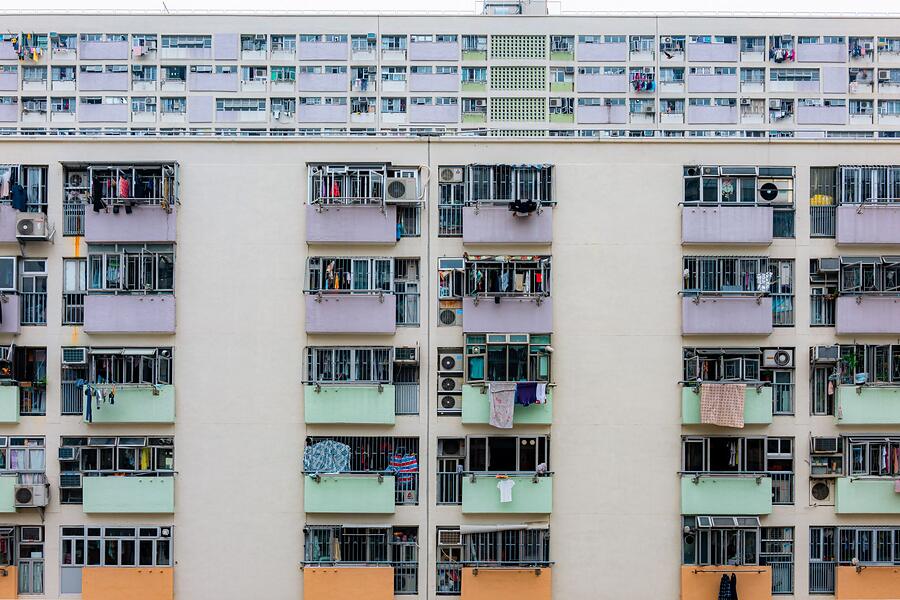
Apartment Security Guards in Lake Nona
Lake Nona rents to a workforce on twelve-hour hospital clocks in buildings that are often less than five years old and sometimes still leasing up. Nexus Security Firm staffs officers at those communities on schedules written for a property that has no incident history yet.
Apartment Security Guards in Lake Nona
Lake Nona Medical City occupies 650 acres and holds the Orlando VA Medical Center, Nemours Children's Hospital, the UCF College of Medicine, a UCF and HCA Healthcare hospital, UF Health's research and academic center and the GuideWell Innovation Center, with KPMG's Lakehouse, the USTA National Campus and Verizon in the same district. The people who staff all of that have to live somewhere, and a large share of them rent within a few minutes of the campus.
That gives Lake Nona a resident population most Orlando submarkets do not have: nurses, techs, residents and researchers on twelve-hour rotations, plus trainees and clinicians on short-term appointments who sign a twelve-month lease and leave at nine months. People are coming home at half past seven in the morning and leaving at half past six in the evening, and the building's quiet hours follow no normal curve. A patrol pattern built on the assumption that nobody good is moving at three in the morning will produce resident complaints inside a week.
The buildings themselves are new. Town Center apartments sit on a street grid with structured garages, ground-floor retail and pedestrian access by design, and one five-story public parking structure serves both residents and the crowd at the Boxi Park container district on a Saturday night. Further out, communities near the 417 interchange sit in newer garden and wrapped forms with controlled entries. A great many of these properties are in their first or second year, which changes almost everything about how coverage should be bought.
A lease-up has risks a stabilized property does not
The most common security conversation in Lake Nona starts at a building that opened last year.
During lease-up a community is at its most open. Punch-list contractors, flooring crews and landscape subs are working occupied buildings with access to corridors and mechanical rooms. Model units stand open to anyone who walks up. Temporary construction fencing sits where the permanent perimeter will go and moves every few weeks. The leasing team tours strangers all day and has no way to know any of them. Appliances, fixtures and copper in unleased units are worth more than anything a resident owns, and the people who take them know exactly which buildings are still finishing.
The other thing a lease-up lacks is a log. There is no incident history to write a schedule from, which is where new properties get oversold. A sensible start is coverage on the tour and construction hours plus the first weekend nights of real occupancy, with a written record building from day one. Once three months of that record exists, the schedule gets corrected against it, and on a well-run Lake Nona property that correction usually points downward.
Shift change is a security event here, twice a day
Hospital rotations put a Lake Nona community through two crowded windows every day that most apartment properties never experience.
Somewhere around seven in the morning and seven at night the garage fills and empties, residents walk between a car and a door carrying bags in the dark half of the year, and the property has more people moving through it in twenty minutes than in the previous six hours. Those windows are also when the incidents residents report tend to happen: a vehicle entered overnight and discovered at the morning return, a person in the garage who does not belong, a follow from the deck to the elevator.
Coverage written for this population looks different from a standard overnight post. An officer present through the evening return and again at the morning one, with the deck levels walked on a changing pattern between, covers the hours the property is exposed and the hours residents are alone. It also avoids the mistake of treating a two in the morning arrival as suspicious, which on a property full of night-shift nurses is most of the building.
Town Center buildings share their parking with the public
The Town Center form is the part of Lake Nona that surprises managers who came from a conventional community.
Residential sits over retail on a street grid with no gate and no perimeter, and the parking structure serving the block is used by residents, by people eating in the district and by the weekend crowd at Boxi Park. That means a garage full of vehicles belonging to people the building has never met, on the nights the district is busiest. Stair doors connect public decks to residential lobbies. Amenity decks sit above ground-floor space that stays open late. The whole design is built to draw people in, and it does.
Post orders here separate what is the building's space from what is the district's. Officers hold the residential entries and the amenity levels, work the decks the building's residents park on, and record vehicles and people who do not belong on the resident levels. An officer is not policing a public plaza, and a manager who buys coverage expecting that will be disappointed. What coverage does is make the resident side of a porous block visibly attended on the nights the district is loud.
Parcel volume and a resident base that turns over fast
Two ordinary facts about Lake Nona renters drive a disproportionate share of the calls.
Parcel volume is heavy, because the households here index toward professionals who buy everything delivered, and a parcel room holding a whole building's boxes behind one fob reader is a concentrated target. Carriers prop the door, residents prop the door, and three missing-package reports arrive a week apart with no shared timeframe. An officer covering the parcel area during the heavy delivery window and folding it into the round the rest of the shift gives the office a set of arrival and departure times to work from.
The second fact is turnover. Clinicians on fellowships, travel nurses and staff on short assignments mean a community can cycle a meaningful share of its units outside the normal season, so keys, fobs and gate codes are moving constantly and the neighbor who would have noticed a stranger has been there three months. Documentation carries more weight on a property where institutional memory is short, and it is the reason the round record and the incident write-ups go to your office as a matter of course.
The hour an officer is most useful in Lake Nona
The evening return is where a Lake Nona post earns its cost. Between roughly half past six and eight the garage fills with people coming off a twelve-hour shift, walking from a deck space to an elevator with their hands full and their attention gone. An officer working those levels during that window is visible to every resident who lives in the building, which is the coverage residents talk about in a renewal survey. The rest of the shift the round moves between the resident decks, the amenity levels, the parcel area and the pedestrian entries that face the street, on a sequence that changes every night.
Why Lake Nona managers use Nexus Security Firm
-
A schedule a new building can defend to its owner
New Lake Nona communities get quoted full overnight posts before anyone knows what the property needs. We start from the building form, the construction status and the foot traffic around it, write a modest pattern, and build a record from the first shift. After a quarter the schedule gets corrected against that record, which on a well-managed property here usually means fewer hours placed better. An owner asking why the line item exists gets a log to read.
A bill rate carries 1.5 to 2 times the officer wage behind it (Belfry Software, 2026).
-
Hours that match a twelve-hour rotation
A community full of Medical City staff has crowded windows at the shift changes and a steady trickle of arrivals all night. Coverage written around that puts an officer on the decks at the evening return and again in the early morning, and leaves the middle of the night to a moving round. It also means post orders that treat a three in the morning arrival as an ordinary resident, because on this property it is.
Lake Nona Medical City spans 650 acres and includes the Orlando VA Medical Center, Nemours Children's Hospital and the UCF College of Medicine.
-
A licensed agency, and the number to check it
Institutional owners and third-party managers in Lake Nona ask for licensing before anything else. Nexus Security Firm holds FDACS Class B agency license B 1900066, our officers hold Florida Class D licenses, and armed posts carry a Class G. Each of those is a public record on the FDACS Division of Licensing lookup. Ask the same of every firm bidding your property and search the numbers yourself before you compare hourly rates.
Every Class D officer license in Florida stands on 40 hours of FDACS-approved training.
A typical call from a Lake Nona community
The situation: A common call from a manager at a community in its first year near the 417 interchange. Two buildings are still finishing, appliances went missing from an unleased unit, the model stands open six days a week, and residents who work nights at the hospitals have started emailing about people in the garage at hours the office cannot account for. There is no incident log to speak of because the property has only been open nine months.
What gets done: A supervisor walks the site during tour hours and again at the evening shift return. Temporary fencing has a gap behind the unfinished buildings, the construction gate stands open past the crew's departure, and the garage stair doors on the resident levels have no closer adjustment. Coverage is written in two pieces: daytime hours through the construction window covering the unfinished buildings and the model, and an evening post on the decks through the return and into the late hours on the nights residents have raised. Everything is documented from the first shift so the property starts building the log it does not have.
How it turns out: The gap in the temporary fencing gets closed and the construction gate gets a closing time, which ends most of the unit losses without adding an hour of coverage. Residents see an officer on the deck at the hour they walk to their cars, which is the part that shows up in renewal conversations. At the quarterly review the log shows nothing happening in the small hours, so those hours come out of the schedule and the evening post stays.
Questions Lake Nona managers ask
What comes up when the property is new, the residents work nights and the block has no fence.
Other areas we cover communities
Communities in the surrounding areas share the same officers, which keeps an overnight post from depending on one person being available.